

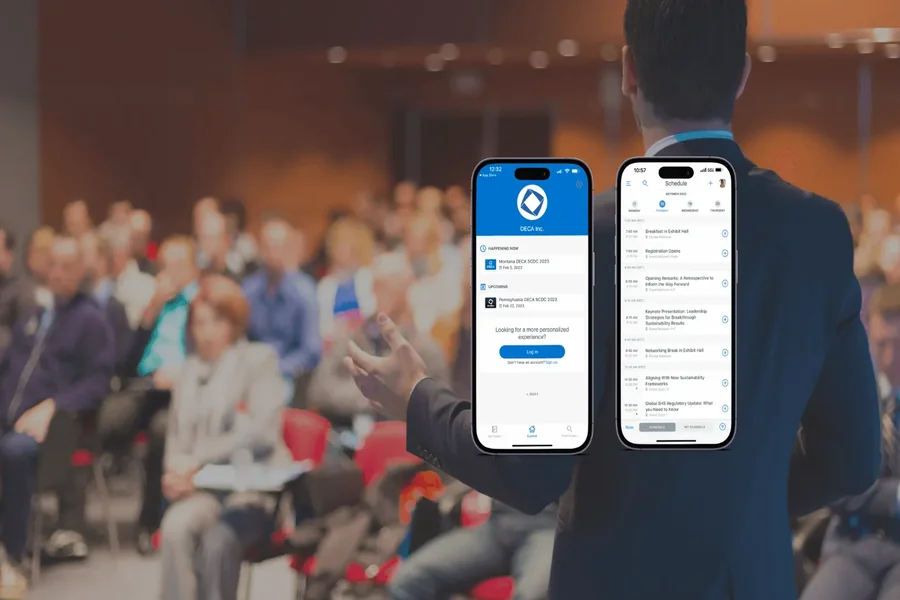
As we step further into the digital age, the events and conferences industry is undergoing a profound technological evolution. Central to this transformation is the growing reliance on Conference Mobile Applications, which are redefining how attendees engage, interact, and derive value from in-person, virtual, and hybrid events. In 2025, these apps are no longer optional tools—they are mission-critical platforms that enhance efficiency, personalization, and interactivity across the event lifecycle.
This article explores how Conference Mobile Applications are elevating the attendee experience through intelligent features, integrated technologies, and data-driven personalization.
The Shift from Static to Smart Platforms
Traditionally, conferences were organized around static elements—printed agendas, physical badges, and face-to-face networking. However, this model is limited in scalability, accessibility, and adaptability. Today’s Conference Mobile Applications integrate real-time data, AI-driven matchmaking, and interactive user interfaces to create a dynamic and seamless experience for attendees.
These applications now function as centralized digital hubs, offering attendees an integrated experience from pre-registration to post-event follow-up.
Key Features Transforming the Attendee Experience
Here is a breakdown of the most impactful features shaping the modern attendee journey through Conference Mobile Applications:
| Feature | Description | Impact on Attendees |
| Personalized Agendas | AI-curated session recommendations based on user interests and behavior | Improves relevance and time efficiency |
| Live Polling & Q&A | Real-time interaction with speakers and panelists | Increases engagement and audience participation |
| In-App Networking | Smart matchmaking and chat features | Facilitates meaningful connections |
| Push Notifications | Timely updates and reminders | Keeps attendees informed and on schedule |
| Gamification | Badges, leaderboards, and interactive challenges | Enhances engagement through motivation |
| AR Navigation | Augmented reality for venue orientation | Improves accessibility and ease of movement |
| Integrated Ticketing and Check-In | QR code-based access and registration | Reduces queues and wait times |
| Feedback Collection | Surveys and sentiment analysis tools | Enables real-time improvements |
Enhanced Networking Through AI-Powered Matchmaking
One of the most revolutionary changes brought by Conference Mobile Applications is intelligent networking. Rather than relying on serendipitous encounters, attendees are now matched with peers, speakers, or sponsors based on mutual interests, industries, or goals using machine learning algorithms.
For example, at a tech innovation summit, a software developer could be matched with a startup founder looking for technical partners. Such targeted interactions not only save time but also significantly increase the perceived value of attending the conference.
Real-Time Interactivity: A Two-Way Channel
The integration of live polling, Q&A sessions, and feedback modules has converted passive listeners into active participants. Attendees can vote on topics, ask questions, and provide feedback instantly through the app.
This interactivity enhances speaker engagement and allows event organizers to adapt dynamically to audience needs. Sessions can be extended, paused, or redirected based on live sentiment data—something unthinkable in traditional formats.
Data-Driven Personalization and Behavior Analytics
Modern Conference Mobile Applications come equipped with analytics dashboards that provide insights into attendee behavior, session popularity, and engagement metrics. For attendees, this translates into personalized content recommendations, session suggestions, and follow-up materials.
For instance, if a user attends multiple sessions on AI, the app may recommend additional sessions, speaker meetups, or downloadable resources related to artificial intelligence. This level of personalization improves content relevance and increases user satisfaction.
Accessibility and Inclusivity Features
In 2025, inclusivity is no longer an option—it is a necessity. Leading Conference Mobile Applications are incorporating accessibility tools such as:
- Real-time closed captioning
- Multi-language support
- Text-to-speech and speech-to-text interfaces
- High-contrast visual modes for visually impaired users
These features ensure that content and networking opportunities are accessible to all attendees, regardless of physical or cognitive abilities.
Post-Event Engagement and ROI Measurement
The attendee journey doesn’t end with the last keynote. Through mobile applications, organizers can extend engagement beyond the event by:
- Sharing on-demand session recordings
- Enabling continued chat access for networking
- Pushing personalized content follow-ups
- Requesting post-event feedback
For organizers, this means better measurement of Return on Experience (RoX) and ROI. Metrics such as session attendance, engagement time, app dwell time, and feedback scores help improve future events and demonstrate value to sponsors.
Security and Data Privacy in 2025
With increasing concerns about data breaches and privacy, Conference Mobile Applications in 2025 come fortified with enterprise-grade security protocols. Common security features include:
- End-to-end encryption
- Biometric login options
- Role-based access controls
- GDPR and CCPA compliance modules
These features ensure that sensitive attendee data, such as contact information, business affiliations, and behavioral insights, are protected throughout the event lifecycle.
Integration with External Systems
Another key benefit of today’s Conference Mobile Applications is their ability to integrate with third-party platforms such as:
- Customer Relationship Management (CRM) systems
- Email marketing tools
- Learning Management Systems (LMS)
- Event registration and ticketing software
- Social media platforms
This integration allows for unified data flows, streamlined operations, and consistent user experiences across all touchpoints.
Example Use Case: Hybrid Conference Experience
Consider a global medical conference with both in-person and virtual attendees. The mobile app facilitates:
- In-person attendees using AR navigation to find session rooms
- Virtual attendees accessing live-streamed keynotes and panel discussions
- Both audiences participating in shared polls and chatrooms
- Sponsors hosting interactive virtual booths accessible via mobile
- Real-time analytics helping organizers adjust schedules or add overflow rooms
This unified experience blurs the line between digital and physical, delivering a consistent and inclusive event environment.
Challenges and Future Outlook
While Conference Mobile Applications offer numerous benefits, they are not without challenges. These include:
- User adoption rates, especially among less tech-savvy attendees
- Device compatibility issues
- Internet bandwidth constraints in large venues
However, with the advancement of 5G, cloud-native architectures, and progressive web apps (PWAs), many of these issues are being mitigated.
Looking forward, we can expect even deeper integration with AI, blockchain for secure ticketing, and spatial computing features like immersive 3D environments and VR networking spaces.
Conclusion
In 2025, Conference Mobile Applications are not just tools—they are foundational platforms that redefine the attendee experience. From AI-driven personalization to real-time engagement and robust data security, these applications are reshaping how conferences are planned, executed, and experienced.
Organizers who leverage these technologies effectively will be better positioned to deliver high-impact, scalable, and memorable events that align with modern attendee expectations for luxury tech experiences. For attendees, this means more relevant content, streamlined logistics, and enhanced opportunities for learning and connection—both during and after the event.
