

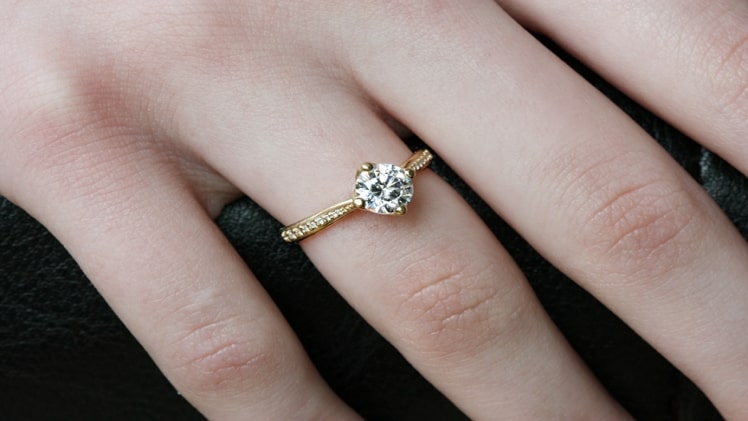
There are several reasons to choose conflict-free diamonds. Among them are the ethical practices of diamond miners and the Kimberley Process Certification Scheme. Conflict-free diamonds have the coveted “pearl-cut” quality and can be traced from mine to lab. But you may be wondering what makes these diamonds truly conflict-free. In this article, we’ll discuss the Kimberley Process Certification Scheme and the sources of conflict-free diamonds. We’ll also discuss the Kimberley Process Certification Scheme, which certifies that a diamond is conflict-free, and recycled diamonds.
Sources of conflict-free diamonds
When it comes to buying a diamond, you can rest assured that it is conflict-free if it has been mined by a reputable company. Major retailers and independent local studios will guarantee conflict-free diamonds. However, you can also purchase blood diamond from small, independent vendors who do not have conflict-free certifications. While there are some advantages to purchasing conflict-free diamonds, there are also some disadvantages.
One of the biggest differences between conflict-free and conflict-diamond rings is their origin. While natural diamonds are mined by a diamond mining company, conflict-free diamonds are created in labs. Unlike mined diamonds, these conflict-free stones are created from a chemical process and have no human impact. This process is called “recycling”.
Kimberley Process Certification Scheme
The Kimberley Process Certification Scheme for conflict free and responsibly sourced diamonds was established in 2002. The scheme is a system of guarantees and has a zero tolerance policy when it comes to conflict diamond mining. In other words, it cannot be used to identify the conflict diamond unless it is a rough diamond. It is easy for smugglers to sneak a conflict diamond into the aggregate of certified diamonds. This can jeopardize the resale value of finished products.
The Kimberley Process certification scheme depends on a unique collaboration between the private and public sectors. Governments are involved in the administration of the scheme by rotating the chairmanship annually, but industry and civil society are essential for it to work effectively. There are 51 Participant governments, as well as Observer delegates from a civil society coalition and industry umbrella group, the World Diamond Council. The African diamond producers’ association, the Diamond Development Initiative, is another group that participates in the Kimberley Process. Both groups play a significant role in shaping the process and its outcomes.
Recycled diamonds
Aside from conflict-free, ethically mined stones, you can also buy diamonds that have been previously owned. These recycled diamonds have zero environmental and social impact and are often cheaper than newly mined stones. For instance, a conflict-free recycled diamond can be found in a vintage ring, which is ideal if you’re looking for an authentic antique look. Recycled diamonds have been graded by a gemologist, and their sparkle and likeness is comparable to newly mined diamonds.
While the diamond industry claims that recycled, conflict-free recycled gems have no traceable traceability, the truth is that this definition isn’t necessarily true. In many cases, the conflict free diamonds industry ignores human rights issues, including child labor and slave labor. Many of these gems are used to finance violent and illegal military actions. Many of these conflict diamonds are also sourced from mines with hazardous working conditions. In addition, some of them are also environmentally harmful.
Alternatives to conflict-free diamonds
Finding conflict-free diamonds can be challenging, but there are many other choices available. Conflict-free diamonds are ethically sourced and previously owned. They are recycled into the diamond supply chain and have zero social or environmental impact. Depending on where they were mined, they may have a history of conflict. But if you are concerned about how your purchase will impact local communities, there are some alternatives to conflict-free diamonds.
Remarks
Moissanite, a synthetic diamond, is one option. Although the natural version is rare, moissanite gems are usually lab-created, with little human or environmental impact. Because moissanite doesn’t have a natural diamond, its price is dramatically lower than that of conflict-free diamonds. It’s an excellent alternative for anyone who doesn’t want to support conflict-free mining.
Here you can find out the best online web portal tvwish for the latest news. And this is also indvox the best for you. You can get more information about the mizz bond picuki.
