

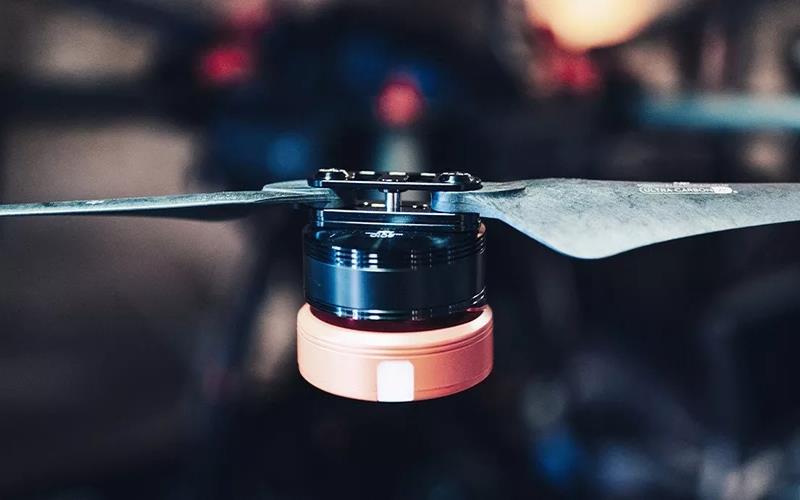
A Brushless DC (BLDC) motor controller is a critical component in modern electric motor systems, offering precise control over motor speed, torque, and direction. In this comprehensive guide, we’ll explore the design principles of BLDC motor controllers, their key features, and applications.
What is a BLDC Motor Controller?
A bldc motor controller is an electronic device used to control the speed, torque, and direction of a brushless DC motor. Unlike brushed DC motors, which use a mechanical commutator to switch the direction of current flow in the motor windings, BLDC motors use electronic commutation, making them more reliable, efficient, and precise.
Design Principles of BLDC Motor Controllers
The design of a BLDC motor controller involves several key principles:
- Sensorless or Sensor-Based Control: BLDC motor controllers can use either sensorless or sensor-based control techniques. Sensorless control relies on back electromotive force (BEMF) to determine the rotor position, while sensor-based control uses Hall effect sensors or encoders for accurate position feedback.
- Commutation: BLDC motor controllers use electronic commutation to switch the current flow in the motor windings, driving the motor forward or backward. The timing of the commutation signals is critical for smooth and efficient motor operation.
- Pulse-Width Modulation (PWM): BLDC motor controllers use PWM to control the speed and torque of the motor. By adjusting the duty cycle of the PWM signal, the controller can vary the average voltage and current supplied to the motor, regulating its speed and torque.
- Current Sensing and Control: BLDC motor controllers monitor the current flowing through the motor windings and adjust the PWM signals to maintain the desired torque and prevent overcurrent conditions.
Key Features of BLDC Motor Controllers
BLDC motor controllers offer several key features:
- High Efficiency: BLDC motor controllers are highly efficient, making them ideal for applications where energy efficiency is critical.
- Precise Control: BLDC motor controllers offer precise control over motor speed, torque, and direction, allowing for smooth and accurate motor operation.
- Sensorless Operation: Many BLDC motor controllers support sensorless operation, eliminating the need for Hall effect sensors or encoders and reducing system complexity and cost.
- Overcurrent and Overtemperature Protection: BLDC motor controllers feature built-in protection mechanisms to prevent overcurrent and overtemperature conditions, ensuring safe and reliable motor operation.
Applications of BLDC Motor Controllers
BLDC motor controllers are used in a wide range of applications, including:
- Electric Vehicles: BLDC motor controllers are used to drive the traction motors in electric vehicles, providing smooth and efficient propulsion.
- Industrial Automation: BLDC motor controllers are used in industrial automation systems for tasks such as conveyor belt control, robotic arm movement, and CNC machine spindle control.
- Consumer Electronics: BLDC motor controllers are used in consumer electronics such as cooling fans, hard disk drives, and household appliances.
- Renewable Energy Systems: BLDC motor controllers are used in renewable energy systems such as wind turbines and solar tracking systems to control the position and speed of the motors.
Conclusion
BLDC motor controllers play a crucial role in modern electric motor systems, offering precise control over motor speed, torque, and direction. Whether you’re building an electric vehicle, an industrial automation system, or a consumer electronics device, a high-quality BLDC motor controller is essential for optimal performance and efficiency. If you’re interested in learning more about BLDC motor controllers or exploring how they can benefit your application, check out our comprehensive guide to BLDC motor controller design principles.
