

As businesses and industries continue to rely on digital solutions, the demand for secure and efficient IT infrastructure has grown rapidly. From small startups to global enterprises, servers, networking equipment, and storage systems form the backbone of operations. One often overlooked but critical component in managing this infrastructure is the rack enclosure.
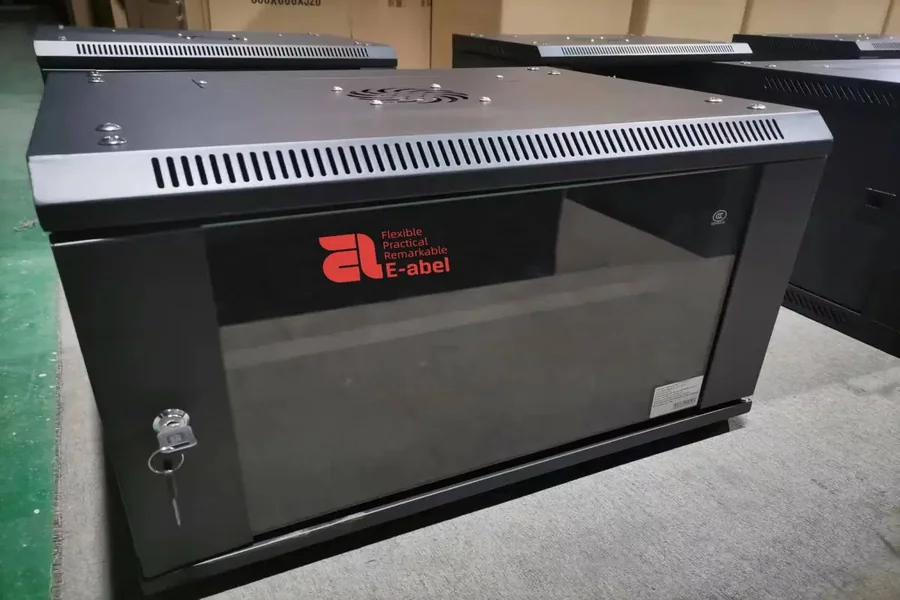
A 機架外殼 (rack enclosure) is essentially a cabinet designed to house servers and networking equipment in an organized, secure, and accessible way. Far from being just a piece of furniture, it plays a vital role in maintaining system efficiency, safety, and scalability.
Why Rack Enclosures Are Important
Rack enclosures are more than storage units — they’re engineered to support and protect valuable IT assets. Some of the key reasons they are indispensable include:
- Organization: Equipment is mounted neatly, reducing clutter and simplifying management.
- Cooling: Proper airflow is critical for preventing overheating in high-performance systems.
- Security: Lockable doors and side panels protect sensitive equipment from unauthorized access.
- Scalability: As businesses grow, rack enclosures make it easier to add or upgrade hardware.
- Efficiency: Cable management systems within racks improve performance and troubleshooting.
By combining physical protection with functional design, rack enclosures ensure IT systems remain reliable and efficient.
Everyday Applications
Rack enclosures are found in a wide range of environments:
- Data centers: Housing thousands of servers in highly organized rows.
- Telecommunications: Supporting equipment that keeps networks connected.
- Healthcare: Storing secure IT systems that handle patient records and imaging.
- Education: Protecting networking and storage systems in schools and universities.
- Commercial buildings: Managing surveillance, internet, and access control systems.
Whether in a small office or a global data hub, rack enclosures help IT teams keep systems streamlined and secure.
Features of a Good Rack Enclosure
Not all rack enclosures are the same. When choosing one, several features should be considered:
- Size and dimensions: Racks come in different heights (measured in “U” units) to accommodate varying amounts of equipment.
- Cooling capabilities: Ventilation designs, perforated doors, and even built-in cooling fans help manage heat.
- Cable management: Features like vertical organizers and patch panels keep cables neat.
- Accessibility: Removable panels and swing doors allow easy maintenance.
- Durability: Strong materials protect equipment from physical damage and environmental factors.
Selecting the right enclosure ensures not just safety but also smoother day-to-day operations.
Cooling and Power Management
One of the biggest challenges in IT environments is managing heat. Servers and networking gear generate significant amounts of heat, and without proper cooling, performance can decline or systems may even fail.
Rack enclosures are designed with airflow in mind. Options like perforated doors, raised flooring, and rack-mounted cooling units ensure consistent temperature control. Many racks also integrate with power distribution units (PDUs) to provide reliable electricity and backup options.
Security Benefits
Cybersecurity is often a top priority, but physical security should not be overlooked. Rack enclosures provide a simple but effective layer of defense. With lockable doors, tamper-proof screws, and restricted access, they protect equipment from unauthorized handling. This is especially important in shared or co-located facilities where multiple organizations house equipment in the same building.
Trends in Rack Enclosures
The design and functionality of rack enclosures continue to evolve with modern technology needs:
- Modular designs: Allowing IT teams to adapt racks to changing hardware requirements.
- Integrated monitoring: Sensors inside racks can track temperature, humidity, and power usage.
- Green solutions: Energy-efficient designs help reduce power consumption in large data centers.
- Aesthetic appeal: Sleeker designs make racks suitable for office environments, not just back rooms.
These trends show how enclosures are adapting to keep up with growing IT demands.
Choosing the Right Rack Enclosure
When investing in a rack enclosure, it’s important to align the choice with organizational needs. Consider:
- Current and future equipment: Will the rack fit both today’s devices and future upgrades?
- Environment: Will it be placed in an office, server room, or large-scale data center?
- Security needs: Is basic locking enough, or is advanced access control required?
- Budget and scalability: Does the solution balance cost with long-term flexibility?
Consulting with IT specialists can help ensure the right solution is chosen for both performance and growth.
Final Thoughts
While servers and networking equipment often take the spotlight, rack enclosures quietly play an essential role in IT infrastructure. They provide organization, protection, cooling, and security — all critical for maintaining smooth business operations.
From data centers to offices, a well-chosen rack enclosure ensures that valuable equipment remains safe, efficient, and ready for future demands. In today’s technology-driven world, these enclosures are not just cabinets — they’re a foundation for reliability and growth.
