

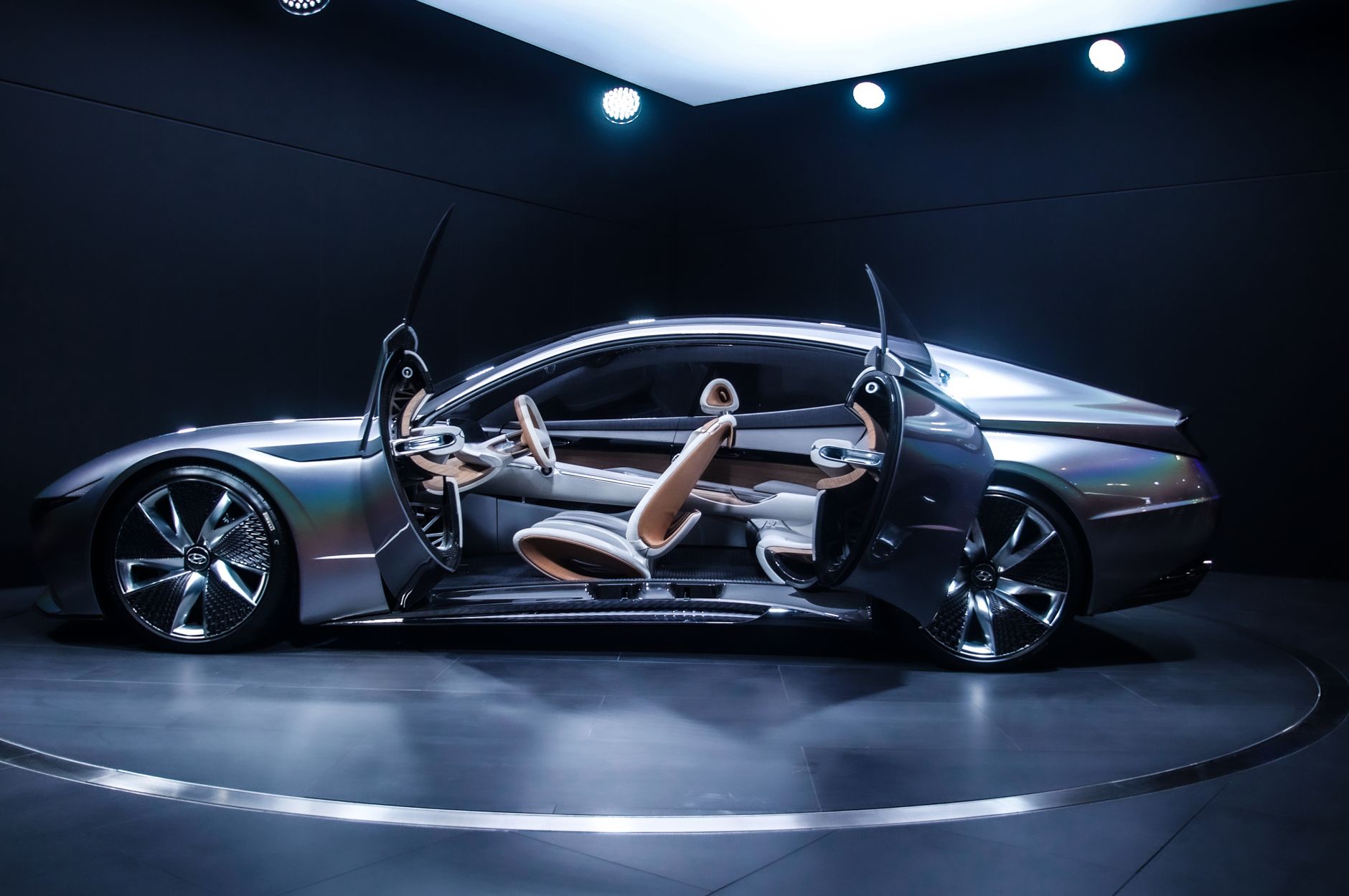
For more than a century, the automotive industry has been defined by hardware. Automakers competed on engine performance, fuel efficiency, manufacturing quality, and vehicle design. Consumers compared horsepower, reliability, and physical features when making purchasing decisions. The vehicle itself was the product.
That reality is changing.
Today, the automotive industry is entering a new era where software is becoming just as important as hardware. In many cases, it is becoming the primary product. Vehicles are evolving from mechanical machines into intelligent platforms that can learn, adapt, and improve over time.
This shift is transforming not only how vehicles are built, but also how they are designed, maintained, updated, and experienced by drivers.
The Evolution of the Vehicle
For decades, vehicle innovation followed a familiar pattern. Automakers would spend years developing a new model, release it to market, and make improvements during the next redesign cycle.
Once a vehicle left the factory, its capabilities were largely fixed. Drivers could add accessories or perform maintenance, but the vehicle itself remained fundamentally unchanged.
Software is changing that model.
Modern vehicles contain millions of lines of code. Software now controls everything from infotainment systems and navigation to braking, steering, and advanced driver-assistance features. Increasingly, software determines how a vehicle behaves, performs, and interacts with its environment.
This means vehicles are no longer static products. They are becoming dynamic systems that can evolve long after purchase.
Why Software Matters More Than Ever
Several trends are driving this transformation.
First, consumers expect technology experiences similar to what they receive from smartphones and other connected devices. They expect regular updates, new features, and continuous improvements.
Second, vehicles are becoming more connected. They communicate with cloud services, infrastructure, and other systems. This connectivity creates opportunities for new capabilities and services.
Third, advances in artificial intelligence and autonomy require software to process vast amounts of information in real time. Hardware alone cannot deliver these capabilities.
As a result, software is becoming the primary mechanism through which innovation reaches the customer.
The Rise of Software-Defined Vehicles
The concept of the software-defined vehicle has become one of the most important developments in the automotive industry.
A software-defined vehicle separates hardware from functionality. Instead of requiring new hardware for every improvement, many updates can be delivered through software.
This approach creates flexibility.
Features can be added after a vehicle is sold. Performance can be improved through updates. New services can be introduced without requiring customers to buy a new vehicle.
For automakers, this creates new opportunities to extend vehicle value throughout its lifecycle.
For consumers, it creates a more personalized and continuously improving experience.
Vehicle Intelligence Goes Beyond Infotainment
Many people associate automotive software with entertainment systems, navigation, or smartphone integration.
While these features are important, vehicle intelligence extends much further.
Software now influences:
- Driver assistance systems
- Energy management in electric vehicles
- Predictive maintenance
- Safety monitoring
- Cabin intelligence and personalization
- Autonomous driving capabilities
These systems collect and process information constantly. They help vehicles understand their surroundings, anticipate problems, and respond more effectively.
The result is a vehicle that becomes increasingly aware and capable.
Continuous Improvement Becomes the Standard
One of the biggest advantages of software-driven vehicles is the ability to improve continuously.
Historically, safety improvements often required physical recalls or hardware replacements. Today many enhancements can be delivered through software updates.
This creates a new development cycle.
Manufacturers can identify issues, develop solutions, validate performance, and deploy updates across fleets. Vehicles become better over time rather than remaining fixed at the moment of purchase.
This continuous improvement model is already common in consumer technology. The automotive industry is rapidly adopting the same approach.
The Importance of Vehicle Operating Systems
As software becomes more important, the vehicle operating system becomes a critical component.
The operating system acts as the foundation that connects hardware, applications, sensors, and services. It manages communication between systems and ensures that updates can be delivered safely.
Without a strong operating system, software-defined vehicles become difficult to maintain and scale.
This is why many automakers are investing heavily in vehicle operating systems and related infrastructure.
Companies such as Applied Intuition are helping accelerate this transition by developing Vehicle OS platforms that support everything from cabin experiences to advanced driving capabilities.
Data Becomes a Strategic Asset
Software-driven vehicles generate enormous amounts of data.
Sensors monitor vehicle performance, environmental conditions, driver interactions, and system behavior. This information creates opportunities for continuous learning and optimization.
Data allows manufacturers to:
- Improve software performance
- Identify potential issues before failures occur
- Enhance safety systems
- Develop new features
- Better understand customer needs
As vehicle intelligence grows, data becomes one of the most valuable assets in the automotive ecosystem.
The organizations that can collect, manage, and learn from this data effectively will gain significant advantages.
The Connection Between Intelligence and Autonomy
The move toward software-defined vehicles is closely connected to the future of autonomy.
Autonomous systems require vehicles to process information, make decisions, and execute actions in real time. These capabilities depend on software infrastructure.
Before a vehicle can drive itself, it must first become intelligent.
That intelligence comes from software layers that integrate perception, planning, control, and safety systems. It comes from operating systems that support continuous updates and validation.
In many ways, software-defined vehicles create the foundation upon which autonomy is built.
New Business Models Emerge
When software becomes the primary product, business models change as well.
Instead of generating value only at the point of sale, automakers can create ongoing relationships with customers through software services and updates.
New features can be introduced over time. Subscription services can provide additional functionality. Personalized experiences can evolve based on customer preferences.
This creates opportunities for recurring revenue and stronger customer engagement.
The vehicle becomes a platform rather than a one-time purchase.
Challenges Along the Way
The transition to software-defined vehicles is not without challenges.
Automakers must manage increasingly complex software systems. Cybersecurity becomes more important. Validation and testing requirements grow significantly.
Organizations must also adapt culturally. Teams that have traditionally focused on hardware must learn to operate with software development cycles and continuous deployment models.
These challenges are significant, but they are outweighed by the opportunities.
A New Era for the Automotive Industry
The automotive industry is experiencing one of the most significant transformations in its history.
Vehicles are becoming intelligent systems that can learn, adapt, and improve throughout their lifespan. Software is moving from a supporting role to the center of the customer experience.
As this transition continues, competitive advantage will depend less on physical hardware alone and more on the ability to build, deploy, and continuously improve software at scale.
The future of vehicle intelligence is not simply about smarter cars. It is about creating vehicles that evolve over time, deliver ongoing value, and serve as platforms for innovation.
In this new era, software is no longer just part of the product.
It is becoming the product itself.
